

Wycro Icon Light
Wycro Icon Dark
PORTFOLIO

Case Studies

Real-world projects that showcase our expertise in creating clear, functional digital solutions designed to drive business growth

Tukii - Tangible Emotions

The innovation that gave rise to Wycro, designed to bring together technology, inclusion, and creativity in a new way of experiencing learning.

From Idea to Impact

Public recognition in the 2017 Bayer Young Community Innovators competition.

From Idea to Impact

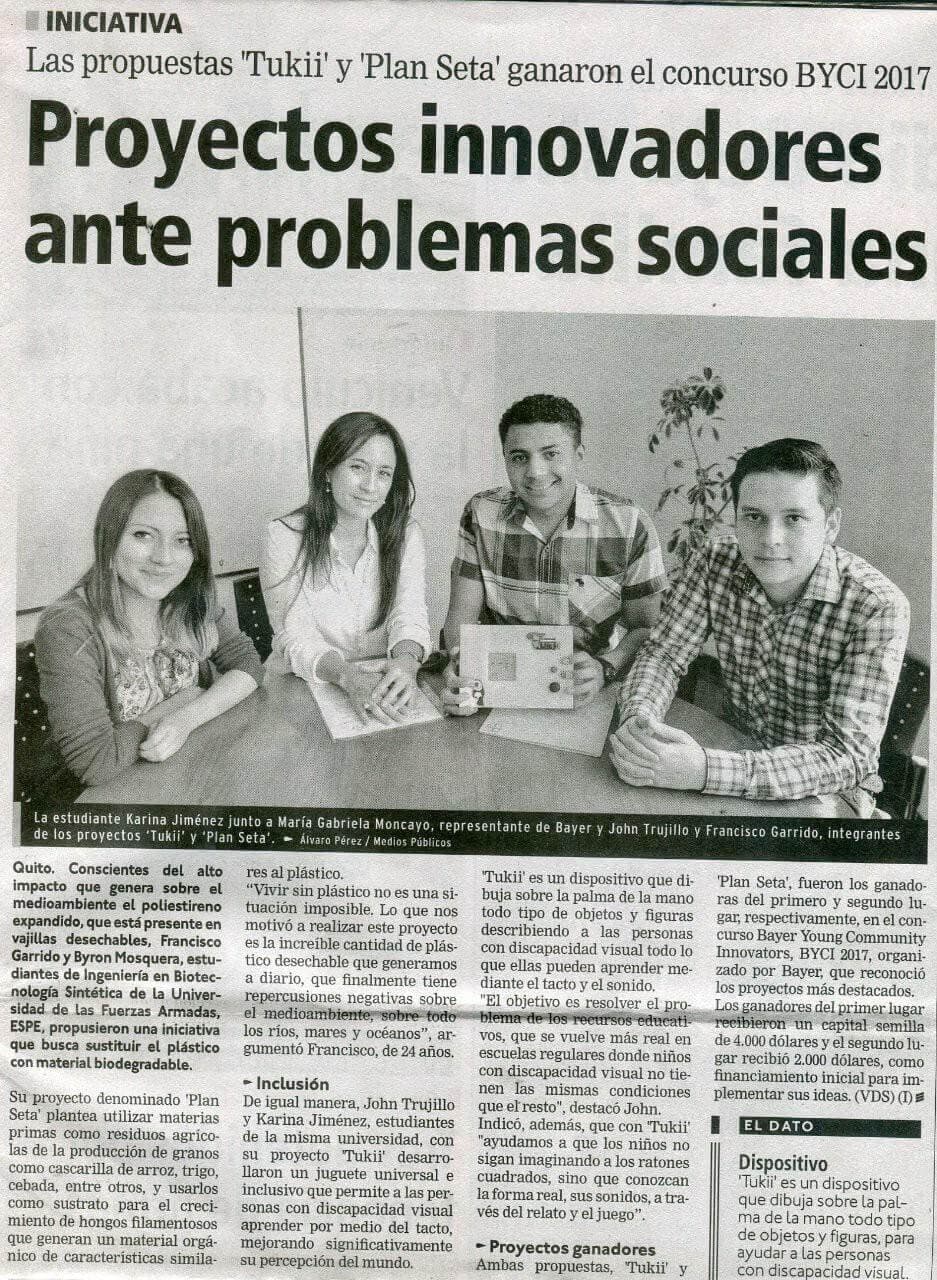
Tukii was created to break down barriers to accessible education. Since 70% of traditional learning relies on sight, students with visual impairments face a critical gap in their development opportunities.

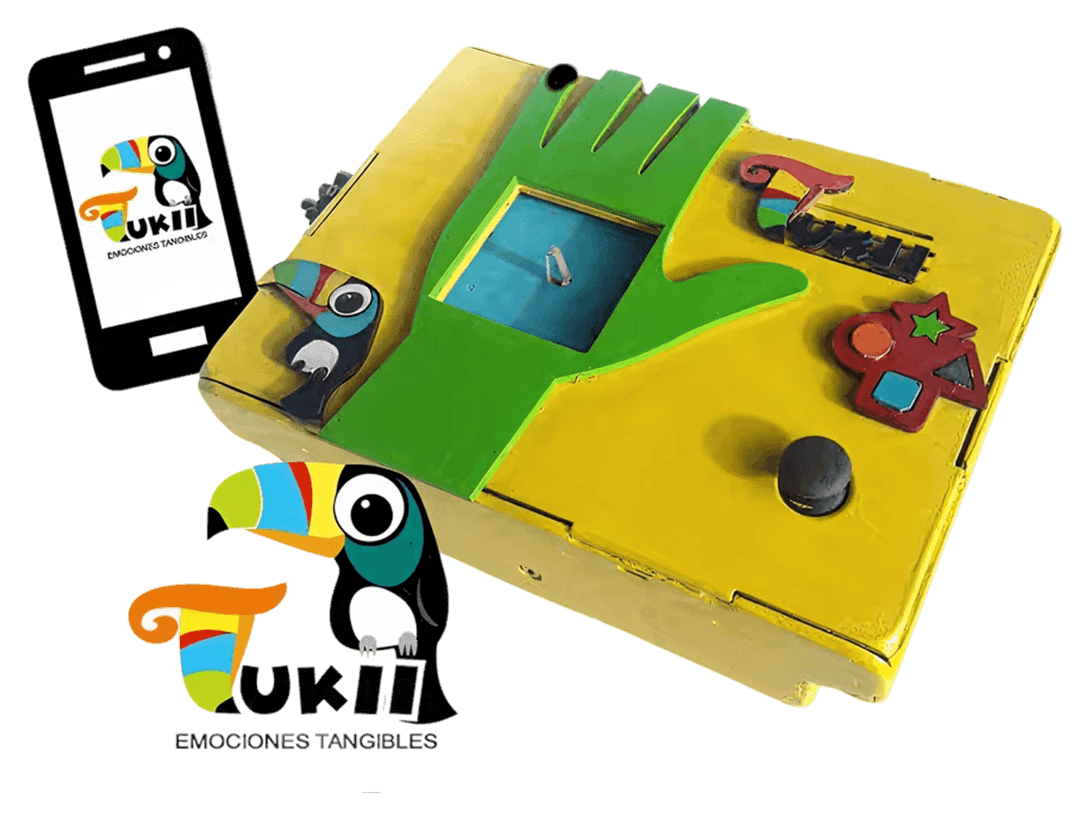
We designed and built a portable robotic device that translates concepts into tactile patterns on the palm of the hand, synchronized with immersive audio narratives. The result is an innovative multisensory solution that transforms abstract reasoning and emotional intelligence into a fully inclusive experience.

Why does Tukii matter?

Inclusive classrooms in Ecuador often lack concrete materials and specialized teacher training. Tukii provides a universal and inclusive tool that teachers can customize with content downloadable from the mobile app, ensuring the project’s sustainability.

Results: More than 120 students have improved their spatial awareness and independence. The project received seed funding and became the starting point for Wycro as a technology company focused on social innovation.
Interview with Karina Coveyán

Results: More than 120 students have improved their spatial awareness and independence. The project received seed funding and became the starting point for Wycro as a technology company focused on social innovation.

The Science Behind Tukii

John Trujillo’s thesis explores the design and implementation of a Cartesian robot capable of tracing tactile patterns on the skin, demonstrating its effectiveness as an inclusive educational tool.

  • Portable interactive robot
  • Tactile stimulation and sensory substitution
  • Mobile accessibility via Companion App
  • Validation with DECSEDIV students
Concept image of the tukii project