



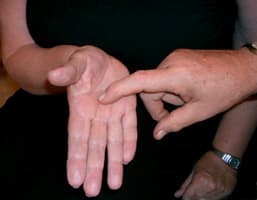
Tactile-Visual Sensory Substitution converts visual information into tactile stimuli, allowing people with visual impairments to interpret shapes, space, and movement through touch.
Research on sensory substitution supports the idea that the brain can reroute visual information to the tactile cortex, enabling new pathways for learning.
From Theory to Tukii
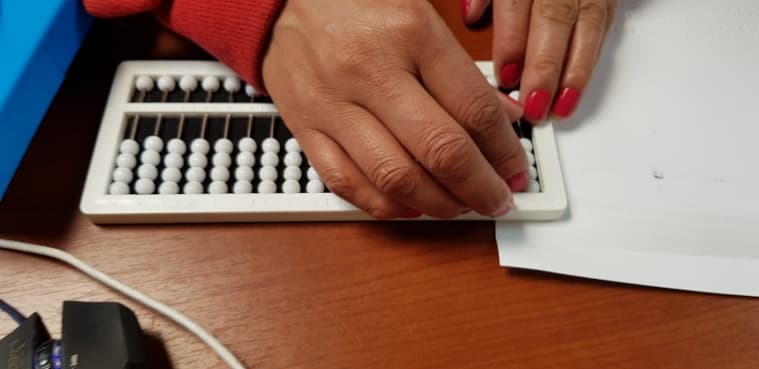
Tukii translates stories and shapes into tactile paths on the hand, connecting academic knowledge with emotional and mathematical learning experiences.
The approach combines auditory storytelling, sensory feedback, and guided practice to strengthen autonomy and spatial memory, using tactile materials as a reference in perception exercises.