
PORTAFOLIO

Case Studies

Real-world projects showcasing our expertise in accessible technology and mobile development for healthcare and enterprise.

Thesis showcase

Tactile-Visual Sensory Substitution

TETv2.0 tactile learning system

Design and implementation of a tactile-visual system for pattern recognition by touch using a 3-DOF Cartesian robot, custom electronics, and a mobile app.

John Andres Trujillo EstrellaUniversidad de Fuerzas Armadas - ESPE2018

Key technology

3-DOF
ESP32
TETv2.0
View full case study

Case Study

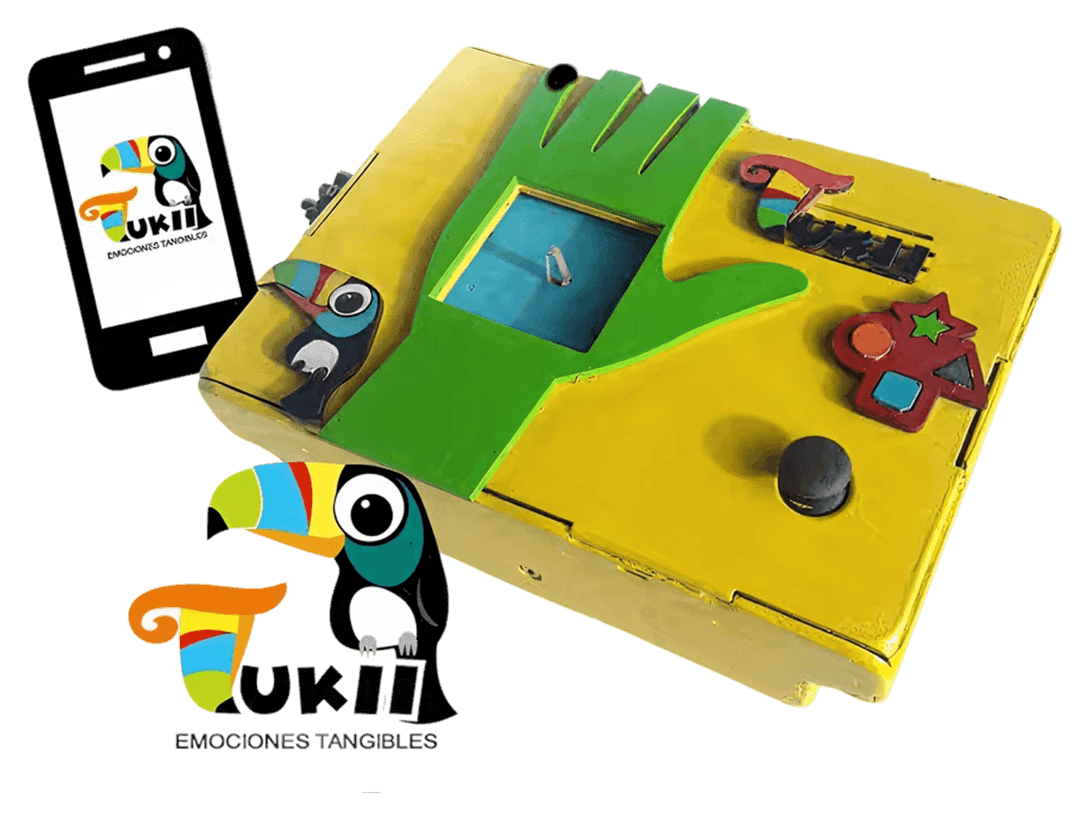
Tukii — Tangible Emotions

A social innovation project that laid the foundations for Wycro: blending technology, inclusion, and creativity to transform the learning experience for students with visual impairments.

Case study highlight

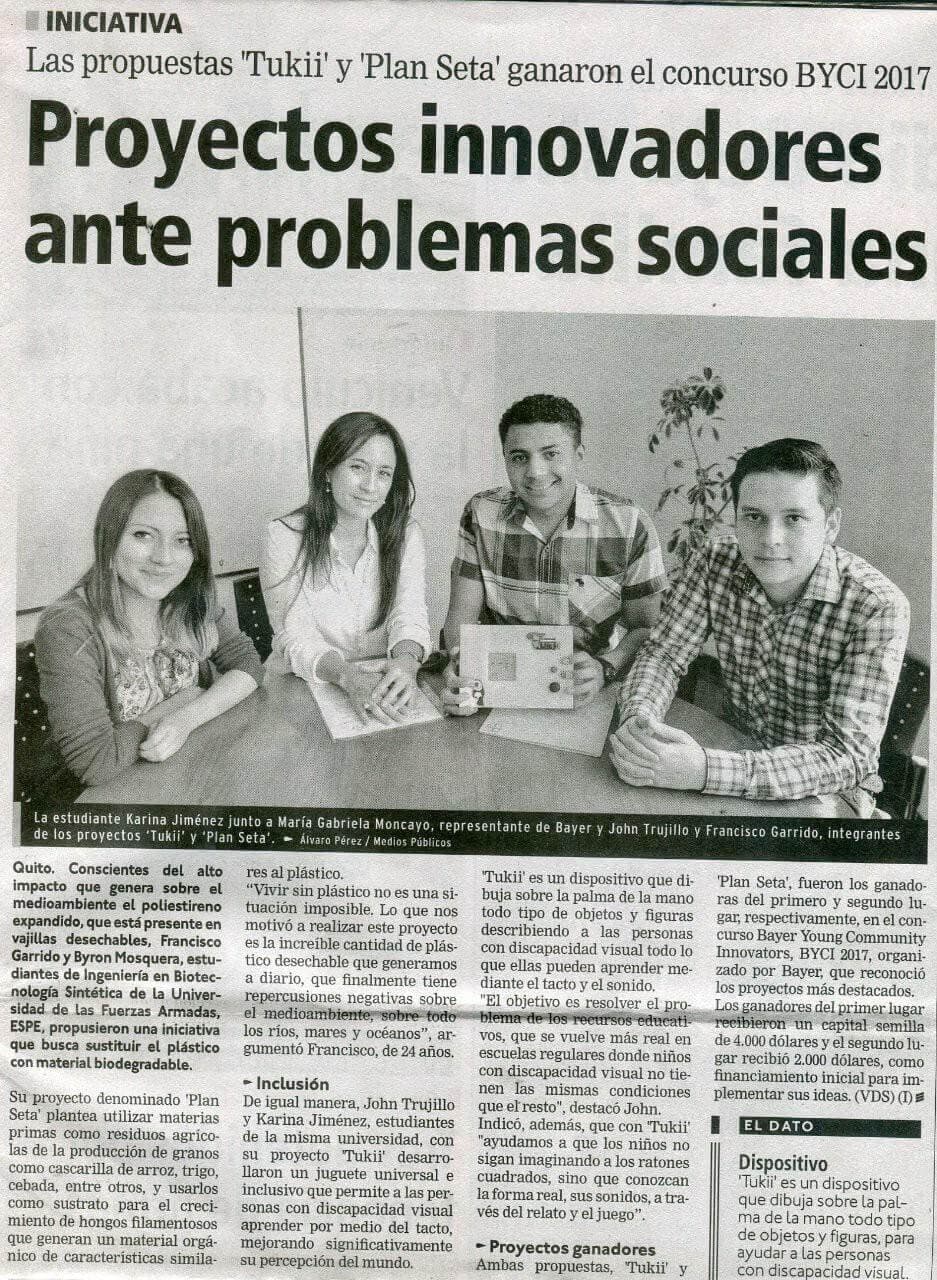
Public recognition during the Bayer Young Community Innovators 2017 competition.

From concept to measurable impact

Tukii emerged in response to the shortage of accessible learning resources. More than 70% of knowledge is acquired visually; for students with vision loss that leaves barely 30% of learning opportunities.

We designed and built a portable robotic device that sketches shapes and patterns on the palm of the hand while narrating immersive stories complemented with sound effects. The result is a multi-sensory experience that strengthens abstract reasoning and emotional intelligence.

Why Tukii matters ?

Inclusive classrooms in Ecuador usually lack tactile materials and specialist coaching for teachers. Tukii delivers a universal, customisable tool: educators download new stories and exercises through a companion mobile app, keeping the project sustainable over time.

Results: more than 120 students improved their spatial perception and autonomy. The initiative received seed funding and became the launchpad for Wycro’s focus on inclusive technology.

Interview with Lic. Karina Coveyán

Teacher at the Mariana de Jesús Institute for children who are blind or deaf, with over 10 years of experience in inclusive education, sharing the challenges and importance of tools like Tukii in the classroom.

The science behind Tukii

Engineer John Trujillo’s thesis explores the design and implementation of a cartesian robot capable of drawing tactile patterns on skin, validating its effectiveness as an inclusive educational resource.

  • Portable interactive robot
  • Haptic stimulation and sensory substitution
  • Mobile accessibility through a companion app
  • Field validation with DECSEDIV students
Concept image of the tukii project